
Why Preventative Pest Control Is Important in Chester County
Pest control is something most homeowners in Chester County think about after a problem becomes visible—ants trailing through the kitchen, mice in the basement, or wasps building near a door. Reactive treatment resolves the immediate issue, but it means the infestation had already established itself before any action was taken. Preventative service takes a different approach: it creates conditions that make it harder for pests to gain a foothold in the first place. Our residential pest control programs are structured around this preventative model, with scheduled treatments timed to the pest pressures that affect homes in this part of Pennsylvania.
Why Chester County Properties Face Consistent Pest Pressure
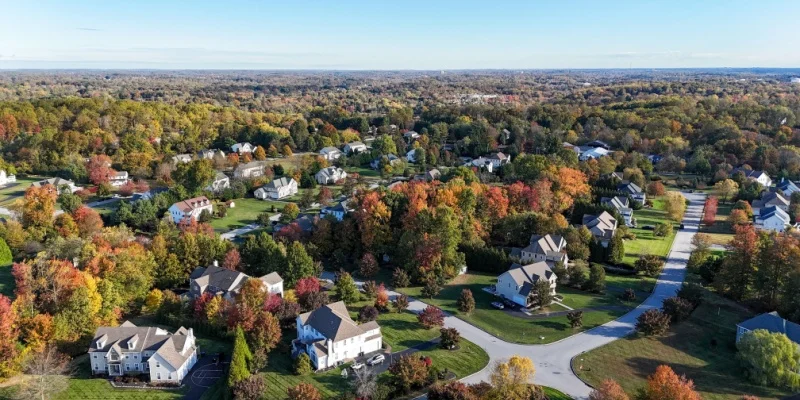
The combination of climate, landscape, and housing stock in Chester County creates sustained conditions for pest activity across most of the year. The region receives consistent rainfall, which supports the moisture conditions that ants, termites, and rodents seek out near structures. Warm, humid summers accelerate the reproduction of insects. The mix of residential development adjacent to preserved open space, agricultural land, and wooded areas means that wildlife corridors bring rodents, ticks, and other pests into contact with residential properties on a regular basis.
Older homes in the area—many with original or aging foundations, wood framing with historic exposure to moisture, and smaller gaps and penetrations that accumulate over time—present more entry points than newer construction. Pest pressure in Chester County is not a seasonal nuisance; for most properties, it is a year-round reality that varies in intensity by species and time of year.
What Preventative Service Actually Does
A quarterly pest control program establishes a treated perimeter around the structure that discourages entry and reduces the population of crawling insects, ants, and other pests before they penetrate the home. Each treatment reinforces that perimeter and addresses any activity that has developed since the previous visit.
The practical effect is that problems are addressed in their early stages rather than after a colony has established itself indoors. Ant colonies that might otherwise build to several thousand workers and spread into wall voids are suppressed before reaching that point. Spiders, silverfish, earwigs, and roaches that move toward structures as outdoor temperatures drop encounter treated surfaces before they get inside.
Preventative service also means a professional set of eyes on your property four times per year. A technician who visits regularly becomes familiar with your home's specific vulnerabilities—the areas prone to moisture, the gaps near the garage, the landscaping that runs close to the foundation—and can flag conditions that are likely to create problems before they do.
The Cost of Waiting
Reactive pest control carries real costs beyond the treatment itself. An established ant colony is harder and more expensive to eliminate than one caught early. Termite damage that has gone undetected for one or two seasons may require structural repairs in addition to treatment. A rodent infestation that has been active through the winter may have affected insulation, wiring, or stored materials that need to be assessed and addressed. The upfront cost of preventative service is consistently lower than the combined cost of reactive treatment plus the collateral damage that an established infestation can cause.
Reactive treatment for an active, established infestation also frequently requires follow-up visits and extended timelines to fully resolve, particularly for species like odorous house ants or rodents that have built multiple nesting sites within or near the structure.
What Chester County Homeowners Should Watch For Between Visits
Preventative service reduces pest pressure but does not eliminate every possible condition that could bring pests close to the home. Between treatments, a few maintenance practices make a meaningful difference:
- Keep firewood stored away from the foundation and elevated off the ground
- Trim back vegetation that contacts the exterior of the home
- Address any areas where water pools near the foundation after rain
- Keep gutters clear so that standing water does not accumulate near the roofline
- Seal gaps around pipes, conduit, and utility penetrations
These measures reduce the conditions that attract pests in the first place and make the treated perimeter more effective.
Program Options at ECPC
Our Basic, Pro, and Platinum programs are all structured as quarterly preventative plans. The right fit depends on your household's priorities—whether that is outdoor-only coverage, full indoor and outdoor service, or a combined approach that includes mosquito and tick protection. Pricing starts at $38 per month, and our programs are designed for standard residential properties throughout Chester County. Our post How Much Does Pest Control Cost in Downingtown, PA? walks through the full pricing breakdown if you want to compare options before reaching out.
To schedule a free inspection and get a recommendation based on your specific property, contact our team here.